The same kilowatt-hour can be cheap at noon and expensive after dinner. That is the basic tension behind time-of-use rates. Solar panels make power when the sun is available, while many homes use the most electricity when people come home.
A time-of-use rate charges different prices at different times of day. A solar hybrid inverter and battery can help by storing cheaper or surplus energy and using it during peak periods. Smart scheduling tries to automate that decision instead of leaving the homeowner to babysit the system.
The tariff is the starting point
Before buying hardware, the homeowner should read the utility tariff. Peak hours, export credits, demand charges, and fixed charges all affect the value of storage. A battery may help a lot in one service territory and only a little in another.
Lawrence Berkeley National Laboratory has reported that battery attachment rates vary by market and policy conditions. That makes sense. Storage becomes more attractive when export credits are low, evening rates are high, or outages are a concern.
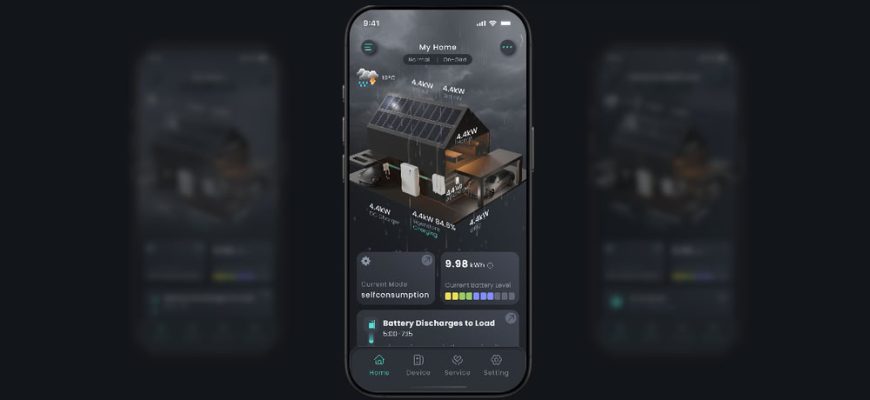
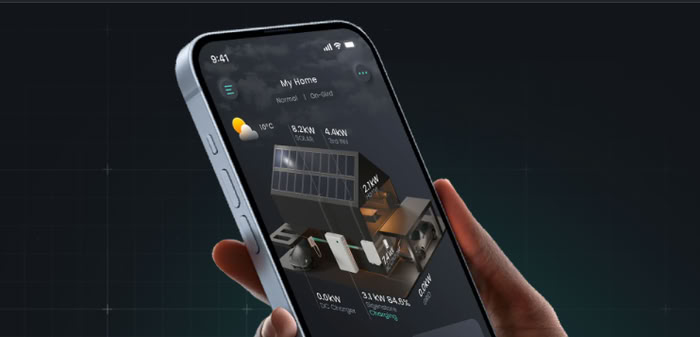
A monitoring platform such as the mySigen App can help homeowners see how solar production, battery state, grid imports, and loads move throughout the day.
Where AI can help
AI scheduling sounds grand, but the useful version is straightforward. It looks at expected solar production, household consumption, battery level, and electricity prices, then schedules charging and discharging around those conditions.
Forecasting is the tricky part. A sunny day, cloudy afternoon, surprise EV charging session, or early-morning heat pump run can change the plan. Good controls should adjust without making the homeowner micromanage every load.
The National Renewable Energy Laboratory’s PVWatts tool is widely used to estimate solar production by location and system design. Home energy software can apply the same basic idea in a more local, real-time way, using forecasts and live consumption data.
The homeowner still needs to check the assumptions. If the app is planning around sunny weather and a storm rolls in, the battery reserve should be protected. If an EV plugs in unexpectedly, the system should recognize the new load instead of following yesterday’s perfect schedule.
Good scheduling is quiet. It should reduce grid imports in the background, but it should also be easy to override before a storm, a guest visit, or a planned EV trip. Control that cannot be understood will eventually be ignored.
Savings are not magic
Smart scheduling cannot create savings where the tariff does not support them. If the utility pays generous export credits and has flat rates, the battery may be more about backup than bill reduction. If the spread between off-peak and peak rates is large, the battery has more work to do.
The homeowner also needs a reserve setting. Draining the battery every evening may lower imports, but it can leave little energy for a late-night outage. The best schedule balances savings with resilience.
For households already looking at solar-plus-storage, an energy management app is a practical part of the decision, because the software is what turns battery capacity into daily behavior.