Published Range Is a Starting Point
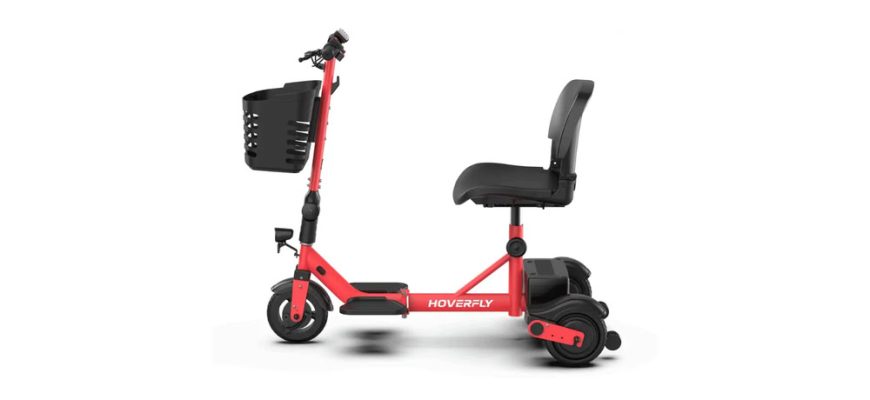
The range number for a 3 wheel mobility scooter helps compare models, but it is not a fixed result for every rider and route. The Hoverfly T3 lists a maximum range of 13 miles from its 25.6 volt 8 amp hour lithium iron phosphate battery. That figure is best treated as an upper reference under suitable conditions. Temperature, hills, rider weight, carried items, tire condition, frequent stops, and driving style can reduce the distance available on a particular day.
Calculate the Complete Outing
Plan from the charging point, not from the destination. Include the trip to the vehicle if the scooter is being transported, movement inside a large venue, and the return from parking. Add possible detours, such as a closed entrance or an elevator on the opposite side of a building. A route that appears short on a map can grow after indoor travel is included. Keep a comfortable reserve rather than scheduling a trip that requires nearly all of the stated maximum range.
Use the Same Charging Routine
Consistency makes battery management easier. Charge in a dry, ventilated area with the supplied or approved charger, and follow the current product manual for connection order, indicator lights, charging time, and storage. Keep the charger cable out of walkways and inspect it for damage. Avoid guessing about battery care based on advice for another chemistry or scooter. The T3 product information identifies a lithium iron phosphate battery, so model specific instructions should guide long term charging and storage decisions.
Observe Your Own Real World Pattern
For the first several outings, record the starting charge indication, approximate distance, terrain, temperature, and ending indication. The goal is not laboratory precision. It is to understand the rider’s normal pattern. If a familiar grocery trip uses a predictable share of the battery, future planning becomes simpler. A sudden change may also prompt a check of tire condition, charging connections, or route difficulty. Never continue simply to prove a range estimate when the displayed charge or scooter behavior suggests returning.
For current product details, review 3 wheel mobility scooter on the official Hoverfly page.

Reduce Avoidable Energy Use
Smooth starts, moderate speed, and a steady route can be easier on both rider and battery than repeated hard acceleration. Remove unnecessary cargo and keep items within the scooter’s intended storage area. Plan accessible entrances so the scooter does not travel extra distance searching for a suitable path. Proper maintenance also matters because damaged or poorly maintained rolling components can create resistance. These habits will not guarantee a particular mileage, but they can reduce preventable demands during routine use.
Prepare a Backup Plan
Every longer trip should have a practical fallback. Carry a charged phone, share the route with a companion when appropriate, and know whom to call if the outing cannot be completed. Do not rely on finding a public outlet or assume charging will be allowed at a destination. If the weather is unusually cold, the route is hilly, or the scooter is carrying more weight than usual, shorten the plan. Thoughtful range management is ultimately about confidence: the rider knows the route, the reserve, and the next safe decision.
Practical Takeaway
If the scooter will not be used for a while, do not invent a storage charge routine from memory. Find the exact instructions for the installed battery and note the recommended environment and check schedule. Label the charger so it is not confused with another device. When use resumes, inspect the scooter, complete the normal charging process, and make the first trip short. A careful restart is more dependable than assuming a stored scooter is immediately ready for a full day out.